Last updated on July 24th, 2026
The development of Reno, Nevada has made rapid increases over the years—traffic is worse, and some areas have become overpopulated due to the increase of individuals looking for a fresh start. This is modern Reno. However, when Reno was in its early stages, the town, along with the world, went through Prohibition. This greatly took effect on the world.
The prohibition era was a time in United States history when the production, sale, and transportation of alcohol were banned. It lasted from 1920 to 1933 after the 18th amendment was added to the Constitution. Reno, like many other cities across the country, was heavily impacted by these laws.
Although Prohibition was originally intended to reduce crime and improve society, it created many challenges and changed the way people lived and did business—people just enjoyed drinking.
Some residents supported the law because they believed it would reduce crime and family problems caused by drinking. However, others disagreed and felt the government was limiting their personal freedoms. As a result, tensions grew within the nation.
Nevada is known for its trafficking, gambling, and more, now one can only imagine how the lack of alcohol affected these ongoing practices. Many people who worked in any businesses related to alcohol lost their jobs because bars, saloons, and breweries could no longer legally sell alcohol.
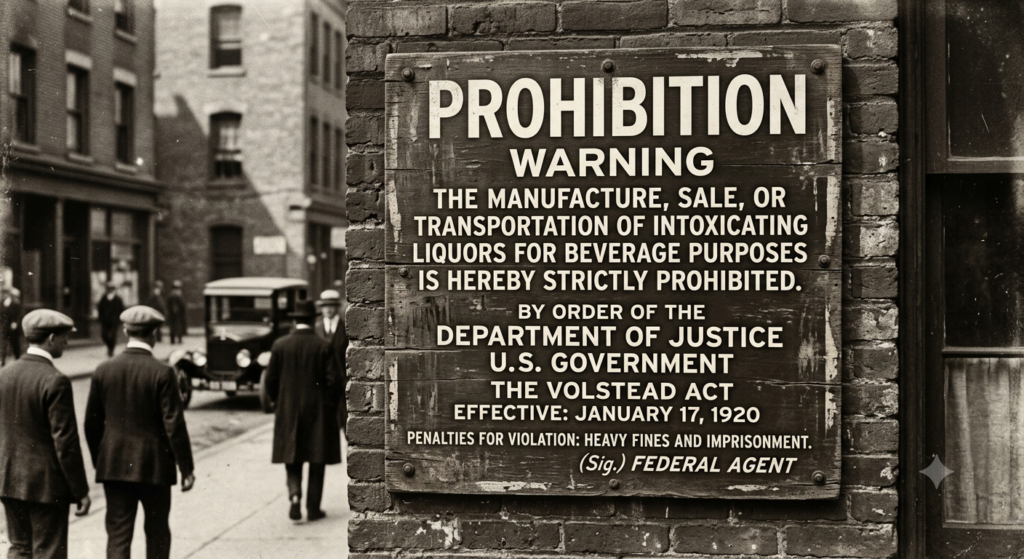
Voting was essential for passing alcohol laws because citizens had the power to elect leaders and support laws they chose. The movement for Prohibition gained support through elections and public campaigns, eventually leading to the ratification of the 18th amendment. Without public opinion and voting, Prohibition would not have become law.
The process of getting a liquor license also changed and liquor licenses became almost useless because alcohol sales were practically illegal. After it ended in 1933 with the 21st amendment, businesses once again had to apply for licenses to legally sell alcohol. This created new regulations and requirements for business owners. To move around the rules, some secretly made alcohol at home, a practice called bootlegging.
Since bars were forced to close, some business owners tried to stay open by selling food, soft drinks, and other products. Others operated illegally by becoming secret bars known as speakeasies, where customers could still buy alcohol despite the law. Others smuggled alcohol from places where it was still accessible, thus finding ways to obtain it. Speakeasies became popular gathering places where people could drink illegally. Even though alcohol was banned, the citizens did not listen and retaliated, showing how difficult it was to enforce the law.
Overall, Prohibition had a significant impact on Reno. It affected the community, changed local businesses, influenced voting and politics, altered liquor licensing, and led many people to break the law to obtain alcohol. Since then, the United States government tries to meet the citizens’ needs. The experience showed that banning something popular can be difficult to enforce on the public and can sometimes create unintended conflict.
Thank you to the Nevada State Museum for allowing our journalism class to come and learn more about our local histories and our connection to historical events. It was a visit I’ll never forget!
Sources
About Prohibition (U.S. House of Representatives)
Prohibition in Nevada: Nevadans Bet on Prohibition and Lost (Alcohol Problems and Solutions)
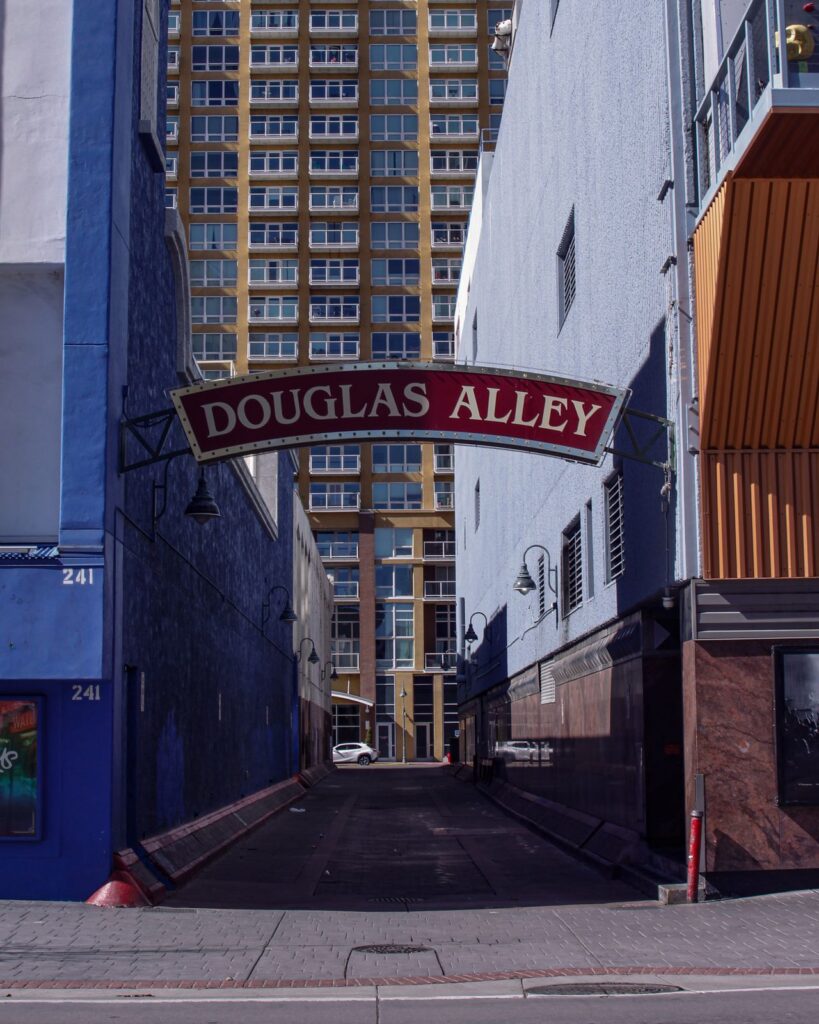
Douglas Alley: Once called the “busiest little street in the Biggest Little City,” the alley blazed with signs and activity. (Reno Historical)
Photo credit: Main photo by Emre Yaşar from Pexels.