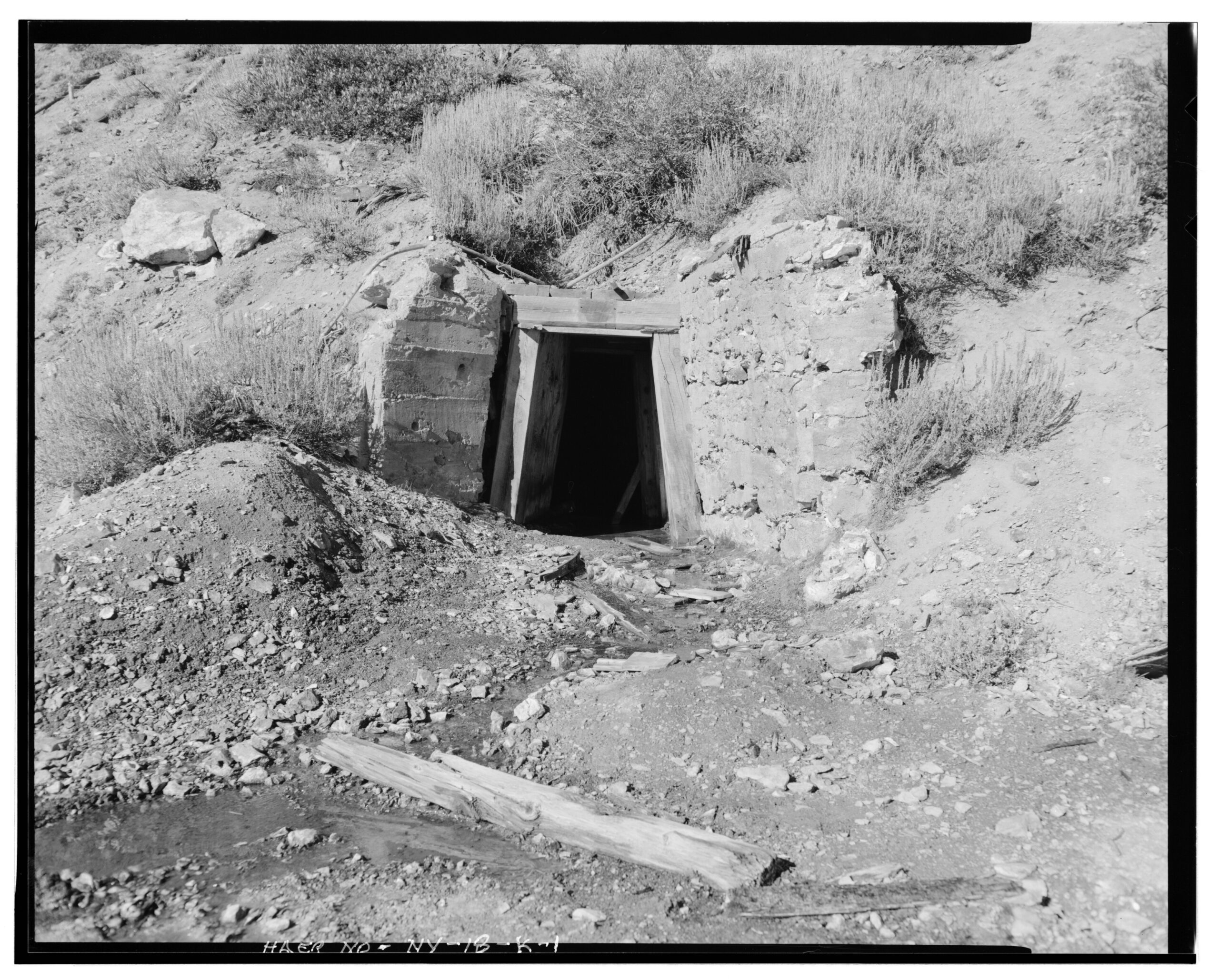
Nevada’s mining was one of the many interesting topics to discover at the Nevada State Museum in Carson City. While adventuring through their mining exhibit, I fell in love with all the beauty that mining comes with. Not only being in the dark, but also finding certain materials among us we didn’t know could possibly exist. Before we get into this topic, I want to stop and give thanks to the many miners we lost for their discoveries, and the ones who continue to risk their lives today!
When people think of Nevada mining, they usually picture the legendary silver strikes of the Old West or the massive gold operations of today. However, Nevada’s relationship with the treasures of the earth goes back much further than the pioneers. In fact, the story of Nevada mining spans thousands of years, shifting through eras of ancient tools, legendary silver rushes, heavy industrial metals, and modern, high-tech gold fields. Based on the historical outlines from the Nevada Bureau of Mines and Geology, the state’s mining history unfolds in three distinct eras.
Long before any modern prospectors set foot in the desert, Nevada’s earliest inhabitants were skilled miners.
- The First Miners: Over 10,000 years ago, American Indians across the region mined native stones like obsidian, jasper, and chalcedony to craft essential tools and arrowheads.
- The Anasazi: Around 300 to 500 A.D., the Anasazi culture actively mined turquoise near Boulder City and harvested salt from deposits near St. Thomas (a site now submerged beneath Lake Mead). Later archaeological finds from around 1200 A.D. revealed ancient lapidary shops complete with stone chisels and polishing tools.
When European and American prospectors later arrived, many of their “discoveries” were made possible only because local Indian guides led them directly to these well-known outcroppings.
While rumors of 18th-century Spanish mining parties persist in local lore, the first verified modern mining began in 1849. Mormon emigrants traveling to the California gold rush discovered placer gold in a stream near Dayton, Nevada. This find drew miners upstream into the Virginia Range, ultimately leading to the earth-shattering discovery of the Comstock Lode in 1859. Meanwhile, in 1856, Mormon settlers also built the first crude smelter west of the Missouri River to process lead from the Potosi mine.
The discovery of the Comstock Lode changed Nevada forever, triggering a massive wave of underground silver and gold mining. As detailed by Historian Francis Church Lincoln, this era was known by extreme economic rollercoasters.
Nevada rode two massive “boom” cycles during this time:
- The Comstock Boom (1861–1889): Deep underground silver mining put Nevada on the global map and helped fund the Union during the Civil War.
- The Tonopah-Goldfield Boom (Beginning 1901): A massive resurgence in precious metals breathed new life into the state at the turn of the century.
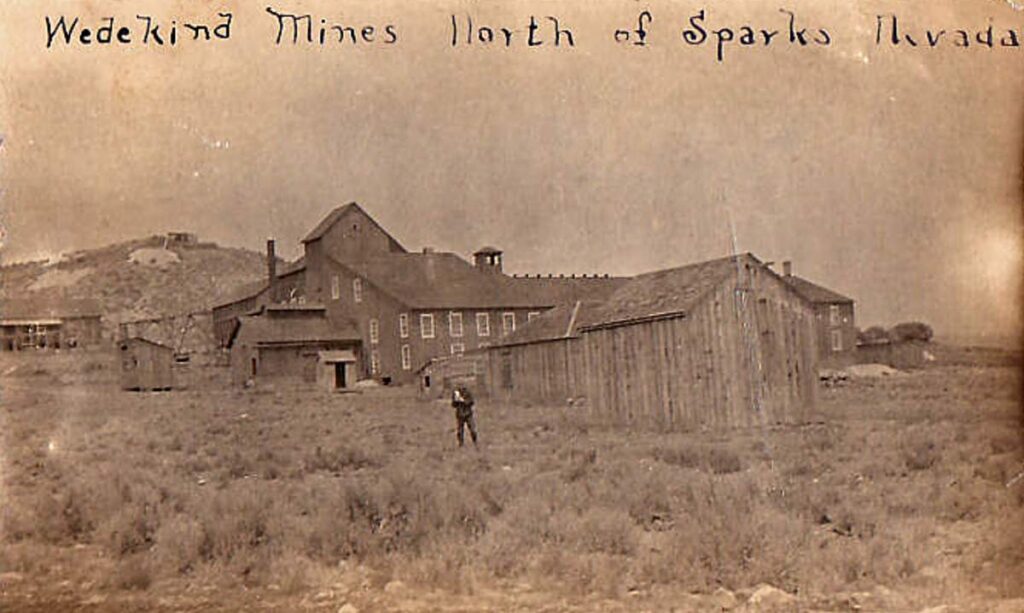
While gold and silver grabbed the headlines, the state also began producing vital base metals like copper, lead, zinc, and tungsten. Demand peaked sharply during World War I, but a brutal post-war economic crash in 1919 sent the state’s mineral industry into a steep decline.
As precious metals slumped to near-historic lows bottoming out in 1961, the mid-20th century forced Nevada to diversify. Historian Robert C. Horton noted that this period was dominated by base metals and industrial minerals.
Driven by World War II and the post-war American manufacturing boom, Nevada became a powerhouse for copper, iron, and tungsten. The state also pumped its first petroleum and ramped up production of non-metallic industrial minerals.
However, the most significant shift for the future of gold occurred quietly in the 1930s. Mines like Getchell and Gold Acres began extracting “invisible gold.” Unlike the shiny veins of the Comstock, this gold was microscopic, trapped inside large deposits of rock. This paved the way for the 1962 Carlin gold discovery, a monumental event that established the “Carlin Trend,” a massive mining belt that would eventually become one of the most productive gold regions on the planet.
By 1964, copper was king, accounting for 60% of Nevada’s mineral wealth. But in May 1965, the Newmont Carlin mine poured its first gold bar, flipping the script entirely.
Nevada entered a golden age of bulk-mineable, open-pit operations. The transformation was staggering annual precious metals revenue skyrocketed from a modest $9 million in 1965 to over $2 billion annually by the early 1990s. This gold boom single-handedly made the United States the second-largest gold producer in the world.
Conversely, the state’s base metals industry struggled, and by the close of 1992, copper production had almost entirely vanished due to shifting market conditions. To fill the gap, industrial minerals such as gypsum, barite, lithium, and limestone—steadily climbed in economic importance.
Thank you, Nevada State Museum, for allowing our journalism class to explore Nevada history, and for being wonderful hosts!
Related Links
Mining History (UNR Nevada Bureau of Mines and Geology)
Mackay School of Mines: Reminiscences on the Growth of a College (PDF; UNR Nevada Bureau of Mines and Geology)
Wedekind Mining District, Washoe County, Nevada, USA (Mindat)
The Mystery of Wedekind City: Sparks Nevada’s Vanished Ghost Town (YouTube)
Photo credit: Main image information—VIEW OF THE ENTRANCE TO THE HATCH ADIT (FEATURE B-28), FACING WEST. (OCTOBER, 1995) – Nevada Lucky Tiger Mill and Mine, Hatch Adit, East slope of Buckskin Mountain, Paradise Valley, Humboldt County, NV. See page for author, Public domain, via Wikimedia Commons.