
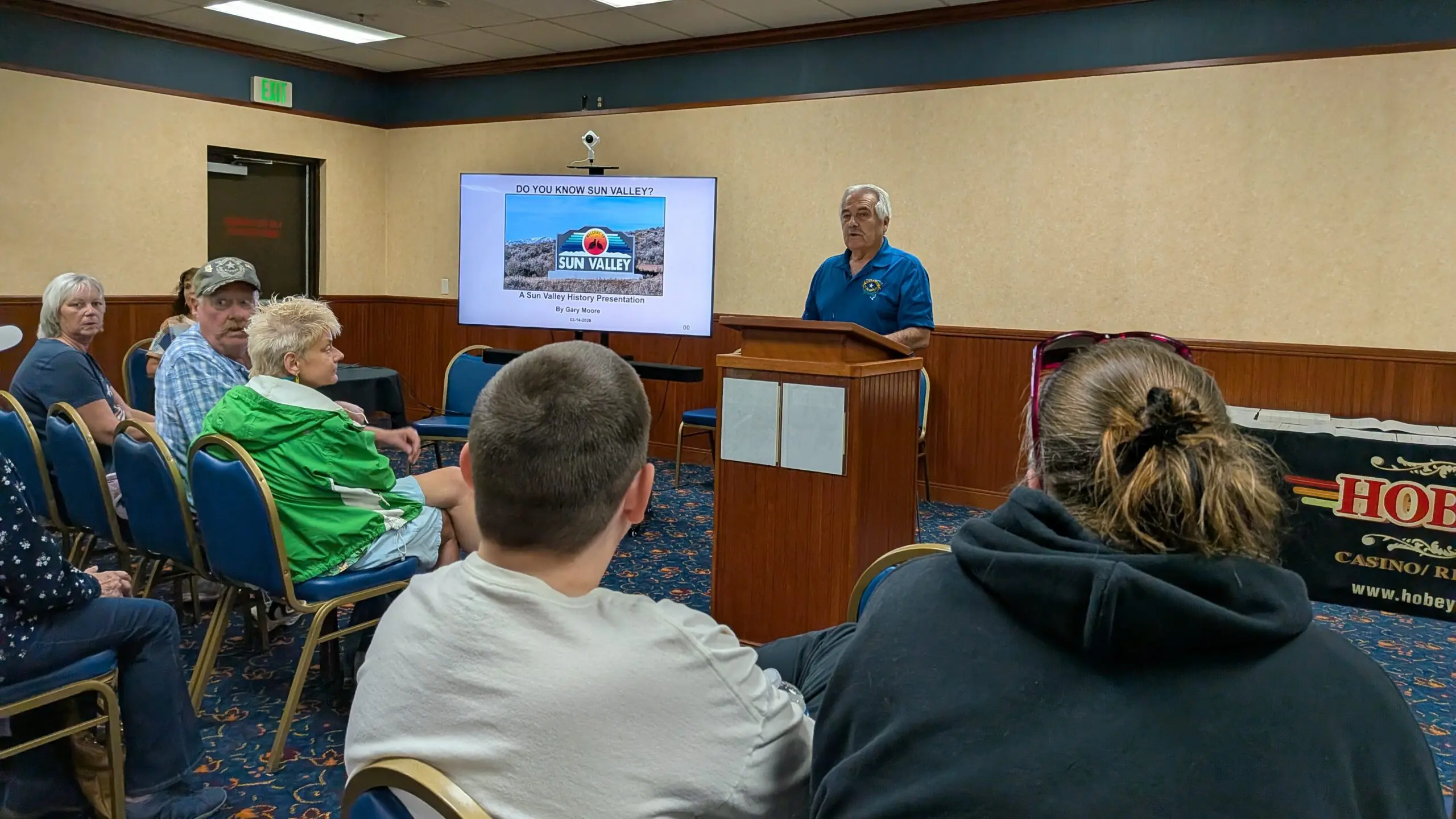
My parents moved to Sun Valley, NV in 1950, and I was born here in 1951. At that time, “The Valley” was still very young and largely undeveloped. But to understand its story, we need to go back to the beginning.
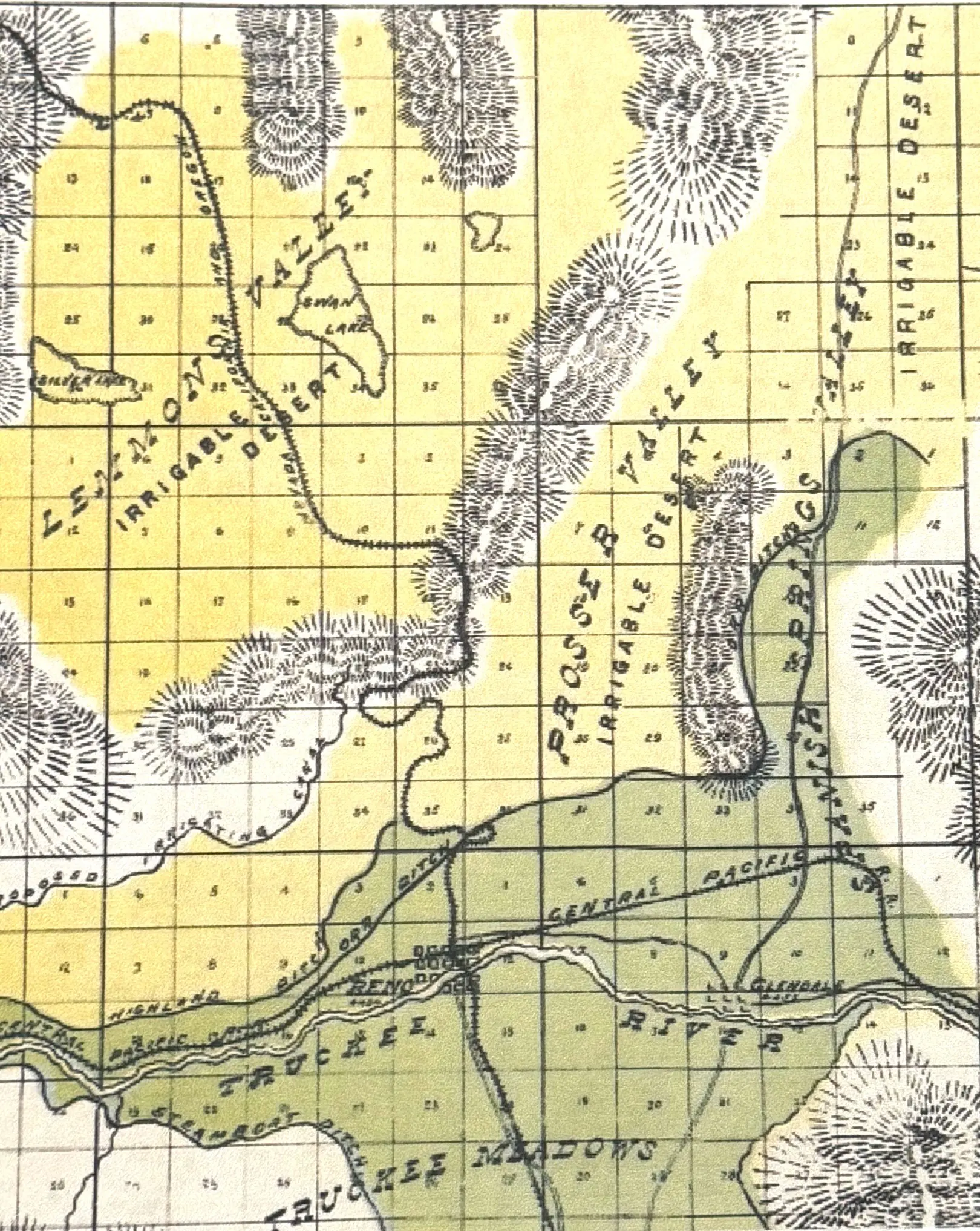
In 1870, an American citizen named John C. Prosser (whose origins remain unknown) filed a possessory claim with Washoe County for 40 acres of land intended for agricultural and grazing use. This parcel, located on the northwest corner of what is now Harmony Lane, included a natural spring that provided irrigation.
For the next 77 years, the area was known as Prosser Valley.
A possessory claim is a legal document granting an individual the right to own land if no prior ownership had been recorded. This process was supported by the Homestead Act of 1862, signed into law by President Abraham Lincoln to encourage westward expansion. To qualify, a claimant had to live on and improve the land for at least five years—meaning Prosser likely settled there around 1865. After five years, the land could be legally sold.
In June 1875, John C. Prosser’s son, William C. Prosser, acting as executor of his father’s estate, formally filed ownership of the 40 acres, indicating that John had passed away by that time.
Years later, in 1893, William’s son, David Prosser, sold 32.92 acres of the property to James Mayberry for $200 in gold coin. Mayberry owned a large ranch and lumber operation west of Reno along the Truckee River. After his death in 1917, his family sold the land for just $1 per acre to M.D. Foley, who eventually lost it due to unpaid taxes.
Now remember, all of this took place during the cowboy and Indian days often described as the “Old West.” Reno itself wasn’t incorporated until 1868, and Nevada had only become a state in 1864.
In those early years, pioneers could acquire land through possessory claims, homesteading, and land patents—provided they improved and worked the land. But the reality was harsh. Around 1900, a family named Haydon acquired over 1,099 acres in the valley, only to forfeit it in 1931. Many early settlers abandoned their claims due to the difficulty of farming the land. My own family later encountered the same challenges: large rocks, hardpan soil, and dense clay. Unlike today, there was no heavy equipment — only backbreaking manual labor.
In 1922, Walter J. Harris purchased 600 acres from Mortimer Fleishhacker. Two years later, he acquired an additional 160 acres through land patents—official documents transferring public land into private ownership. Harris was a native Nevadan, as well as a banker, engineer with the Nevada State Highway Department, and a professor of mechanical engineering at the University of Nevada. Given his background, it’s likely he recognized an opportunity to acquire Sun Valley land at very low cost through forfeitures, tax defaults, and abandoned claims. Walter J. Harris passed away in 1948.
Next month: The Early Development of “Sun Valley.”