My first time visiting the Nevada State Museum was an experience I’ll never forget. I was born in Reno and had never been! I learned so much about our history and was particularly interested in the expansion of electricity across rural Nevada.
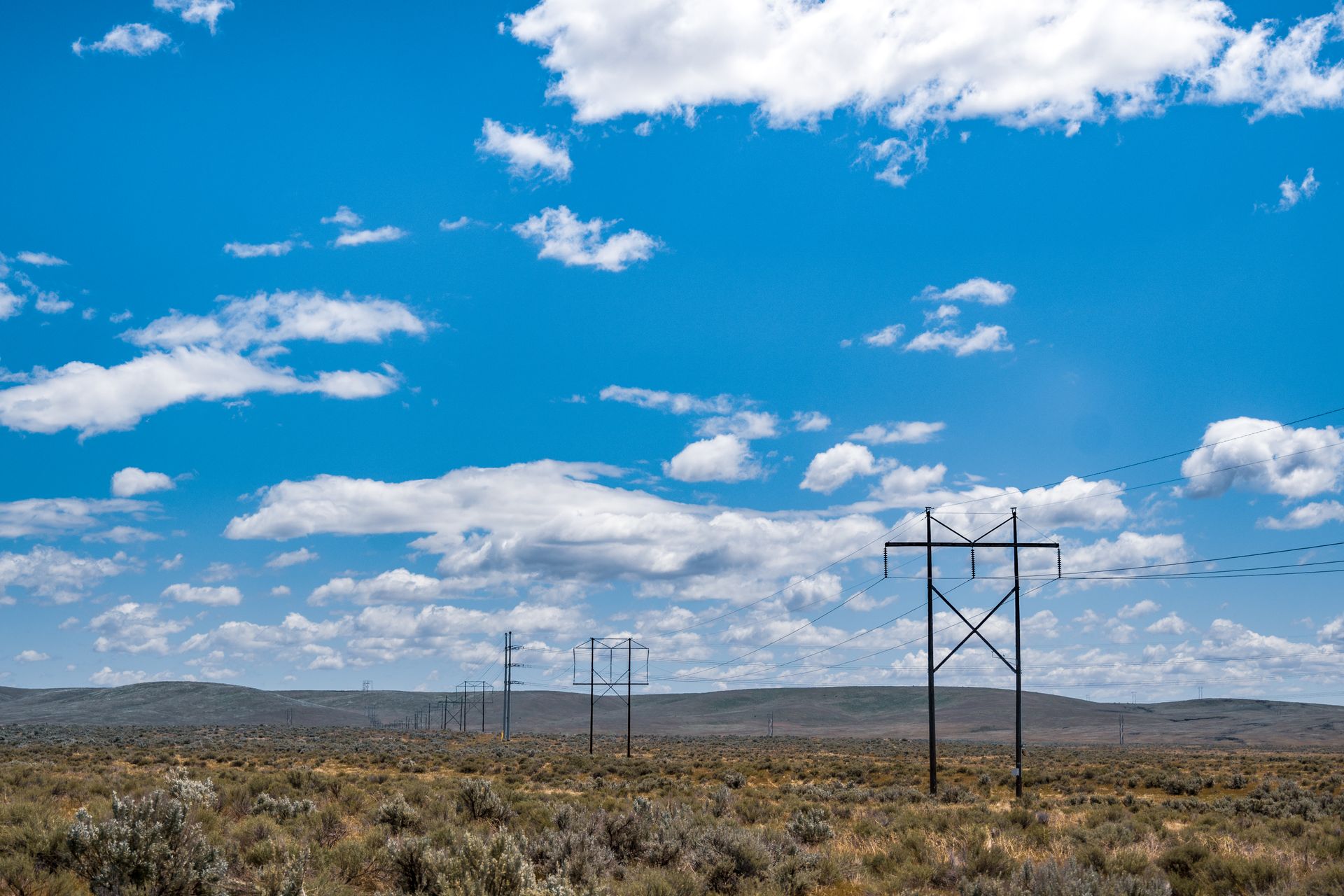
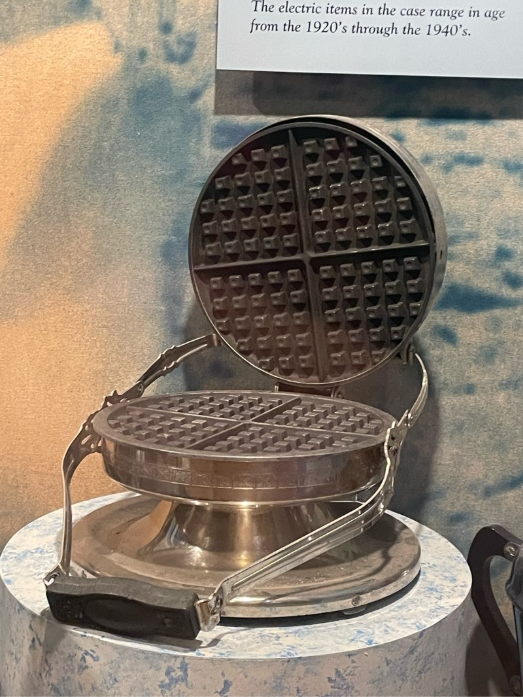
By the mid-1920s, while growing power grids and fuel resources brought electricity to major cities, rural America was left in the dark. Although the Rural Electrification Administration (REA) arrived in 1935 and big projects like Hoover Dam began generating power, it was fewer than one third of U.S farmers who had electricity by 1940. While I was admiring the types of electric appliances on display, I was curious about how difficult it would be to own a farm and do daily chores without electricity compared to living in a city.
Without electricity, rural life was tied to labor and daylight hours. For example, farmers had to milk cows and process crops by hand while the cities had factories and machinery. Cooking and cleaning were all done manually as well, while the cities across Nevada had access to modern appliances.
This posed the question—why didn’t power companies want to put electrical lines in the countryside, and how did the government eventually step in? It turns out that it was too expensive to build new power lines with little customers to share the cost, and they feared not making the money back since the countryside would not have used as much power, unlike the cities.
In the 1930s, almost 90% of city homes had electricity while only 10% of farms were connected. In 1935, President Franklin D. Roosevelt created the REA, which provided low-interest loans to communities so they could build their own power lines and manage them. The REA gave low cost and long-term loans to farmers. This money paid for expensive poles and wires needed to bring electricity to rural areas.
Today, that mission is being conducted by the USDA Rural Utilities Service, which continues to enable electricity for rural homes. Some Nevadans still may be wondering why the Hoover Dam couldn’t just send its power to small rural areas when it first opened. However, there weren’t any power lines at all and before construction started, the dam’s electricity had to go to major cities like Los Angeles to help pay.
Many positive changes occurred in rural Nevadan citizens’ daily lives, schools, and health when they finally got electricity in the late 1930s-1950s. Electric lights and radios kept country families from feeling lonely at night. They could finally hear national news and watch fun shows and got access to machines that helped them with daily chores they would regularly do with just their bare hands. Schools could finally plug in TVs to show educational content, and the kids did not have to stop studying as soon as it hit nighttime.
When they received refrigerators, they would not have to fear food poisoning and illnesses and could keep food from going bad. Today, electricity keeps our modern world running and businesses growing, and our phones and computers keep us connected.
I want to give the Nevada State Museum a big thank you for giving me an experience I will never forget. You can see all the amazing things they have regarding our history at 600 N Carson St, Carson City, NV 89701.
Related Link
When Rural America Waited for Power
Photo credit: Main image by Brett Sayles from Pexels.